

Keryvon
Pleumeur-Bodou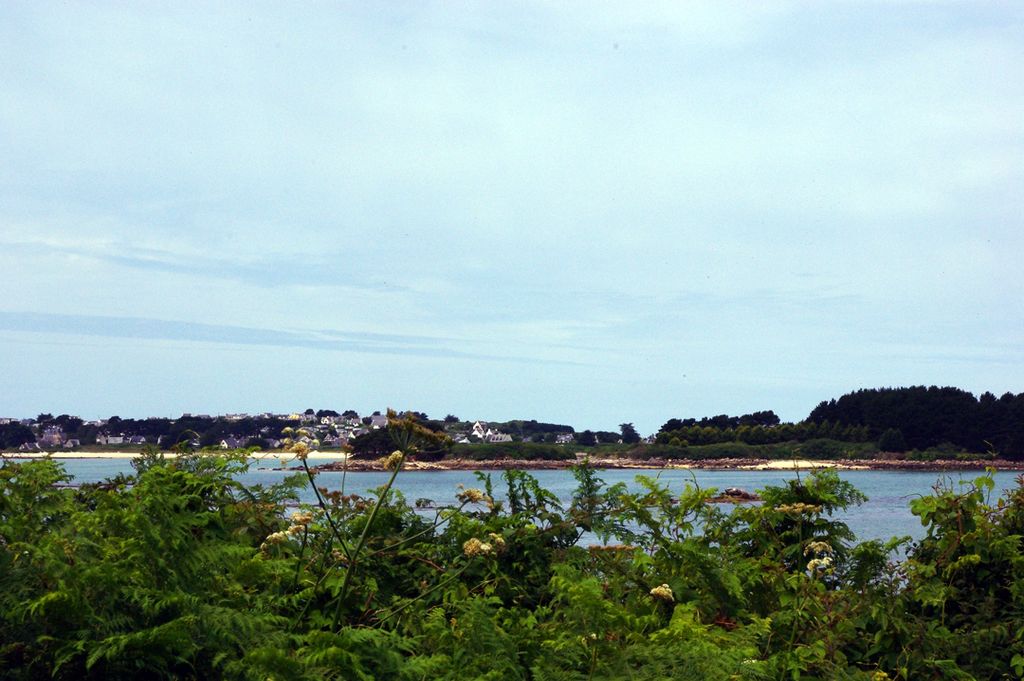
About
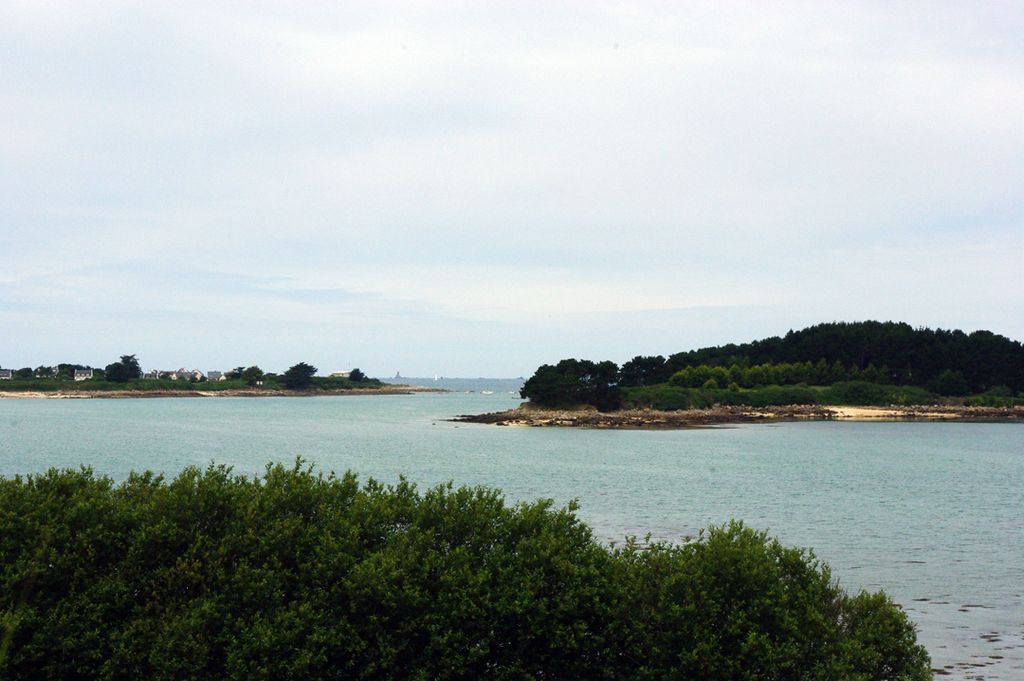
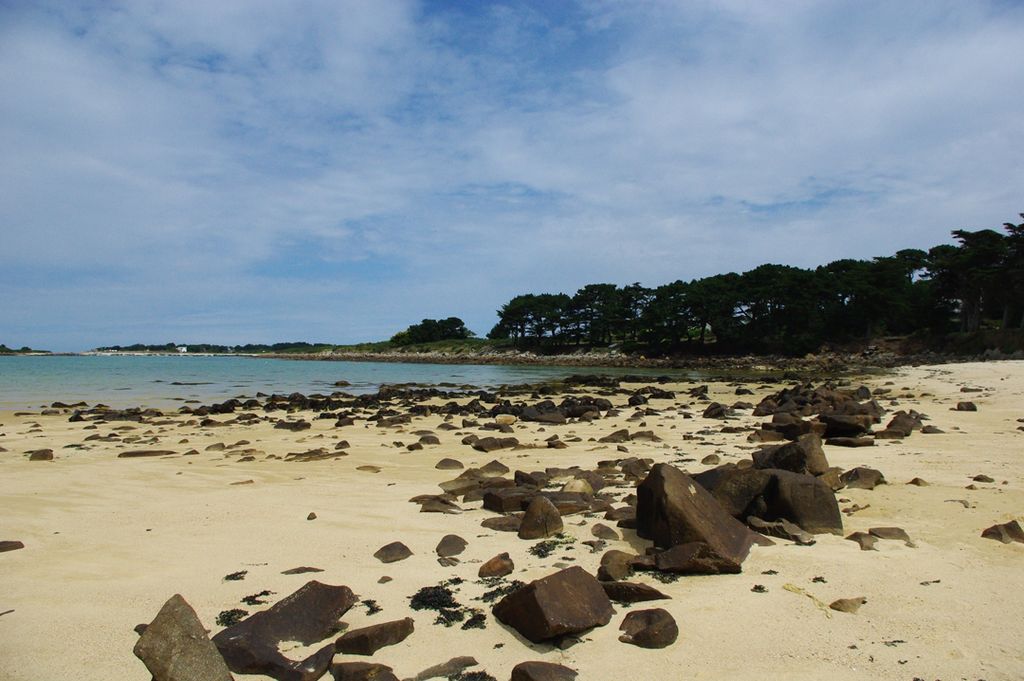
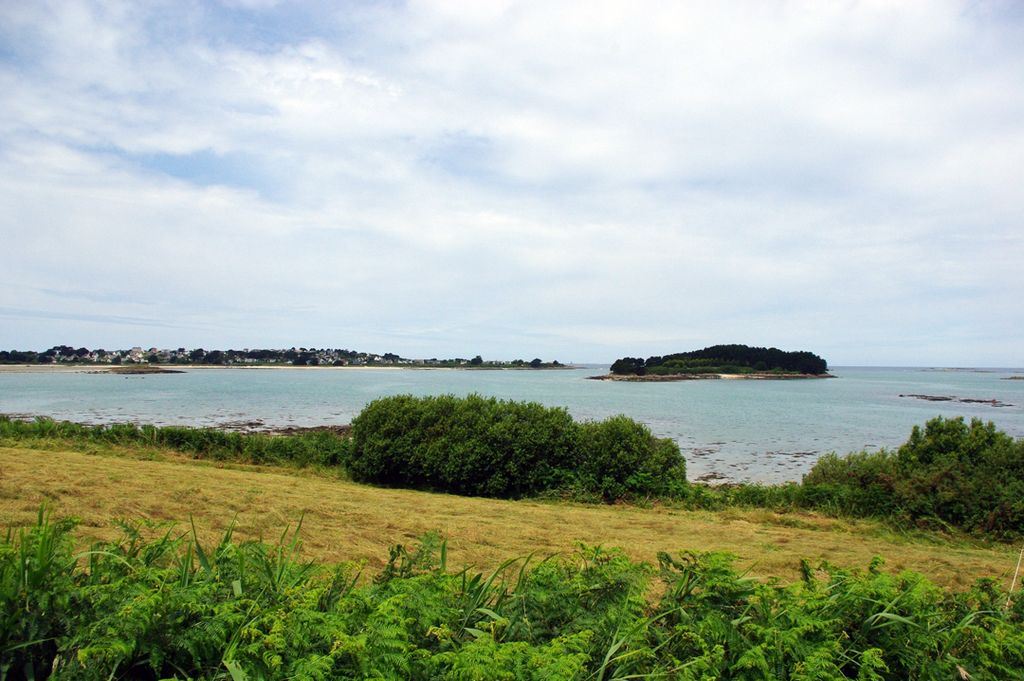
Walking along the beach at Keryvon, you will find a landscape shaped by the tides and by a special geological history. The presence of yellow sand and black rocks gives the area an unusual appearance. You can make out the island of Aval in the distance (private property). According to legend, King Arthur was buried here under a granite menhir. In the nineteenth century, a farmer is said to have found around forty skeletons at the foot of the menhir, providing evidence that the site was inhabited in the Middle Ages.


Warning: Undefined array key 117 in /var/www/html/db.php on line 116
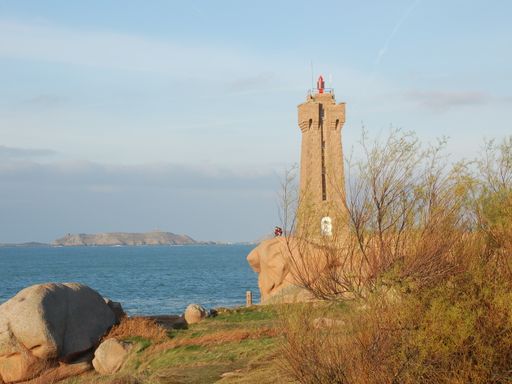

Ploumanac‘h lighthouse and rocks
Perros-Guirec
The pink granite lighthouse stands in the middle of the chaotic rock formations formed by the erosion of cooled magma then shaped by the rain, salty sea spray and wind. Its name, "phare de Mean Ruz",...  See
See
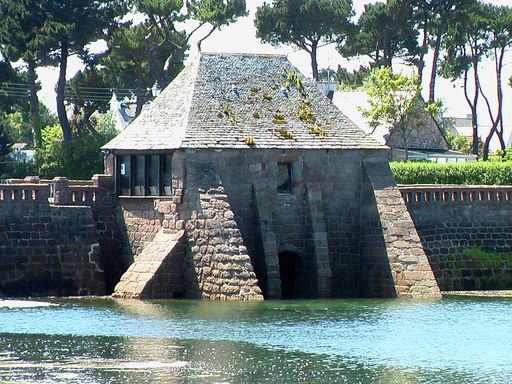

Château de Costaérès, Tourony
Trégastel
From the beach at Tourony, you can admire a beautiful view of the Château de Costaérès. This imposing neo-medieval style villa dates from the end of the nineteenth century. It was built by a rich... See
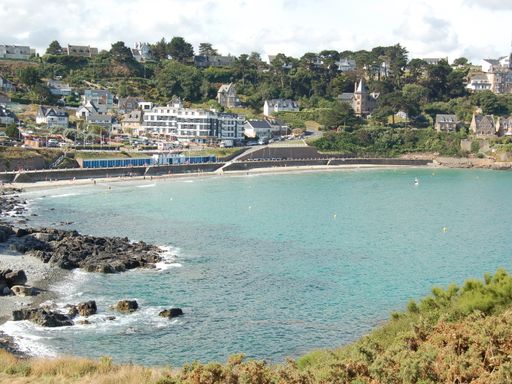
Trestrignel beach & Pointe du Château headland
Perros-Guirec
This rocky outcrop, which marks the entrance to the natural harbour of Perros-Guirec, long played the role of strategic defensive outpost against enemy attacks. Since then, the area has changed... See
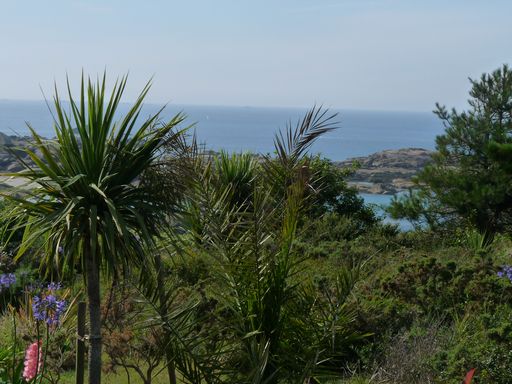
The Viewpoint
Trégastel
If you climb to the viewpoint, you can enjoy a magnificent panoramic view of the coast and the surrounding area. On the hill, you will also notice an old viewpoint indicator in very good condition.... See
Warning: Undefined property: stdClass::$nom in /var/www/html/db.php on line 189
Warning: Undefined property: stdClass::$nom in /var/www/html/db.php on line 189
Warning: Undefined property: stdClass::$nom in /var/www/html/db.php on line 189
Warning: Undefined property: stdClass::$nom in /var/www/html/db.php on line 189
Warning: Undefined property: stdClass::$nom in /var/www/html/db.php on line 189
Warning: Undefined property: stdClass::$nom in /var/www/html/db.php on line 189
Warning: Undefined property: stdClass::$nom in /var/www/html/db.php on line 189
Warning: Undefined property: stdClass::$nom in /var/www/html/db.php on line 189
Warning: Undefined property: stdClass::$nom in /var/www/html/db.php on line 189