

Saint Uzec menhir
Pleumeur-Bodou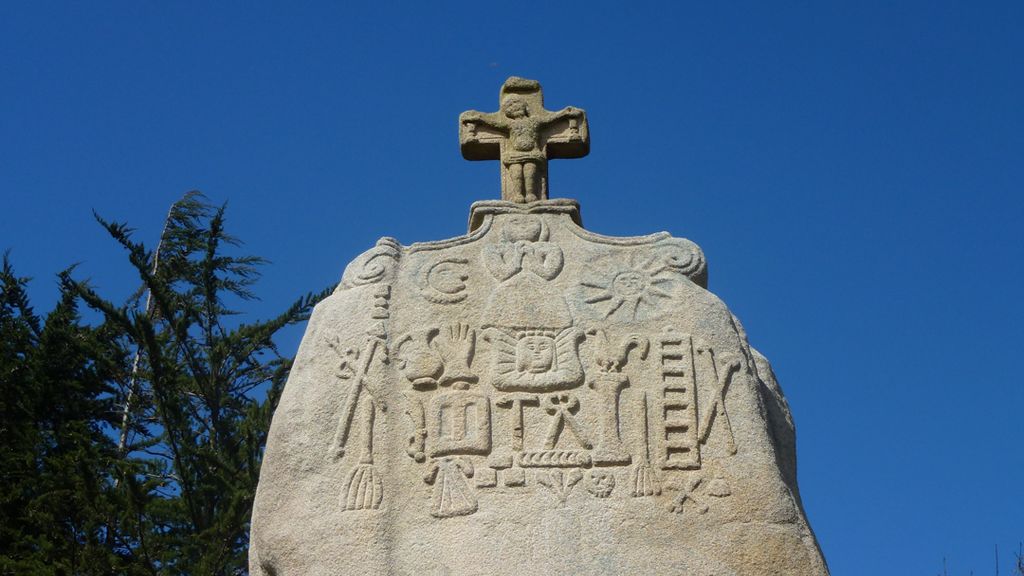
About
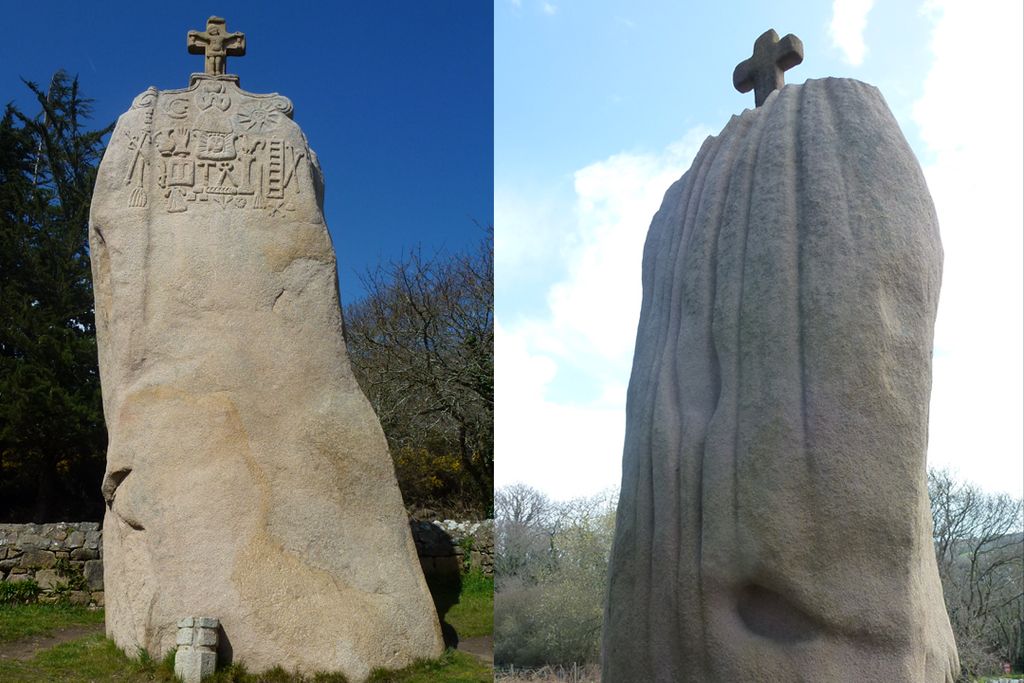
A menhir 7.40 m high and 2 m wide stands in Saint-Uzec. Imagine our Neolithic ancestors transporting this huge block of granite weighing 60 tonnes! These megaliths probably fulfilled a religious role, although our understanding of their purpose remains limited. In the seventeenth century, the Saint-Uzec menhir was Christianised. A cross was added at the top and images of the Passion carved onto the south face. Walk along the side of the Chapel dating from the sixteenth century. Further downhill, you will see a fountain. Water was drawn from this fountain to increase the milk supply of sows after they had farrowed.



Ploumanac‘h lighthouse and rocks
Perros-Guirec
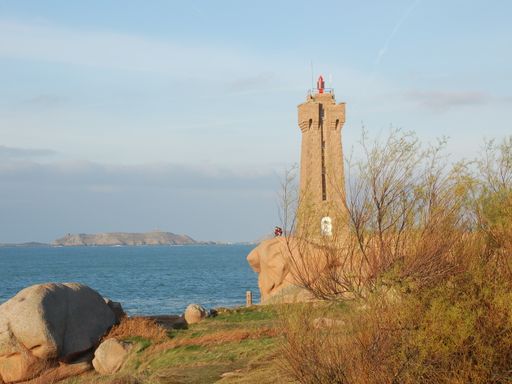
The pink granite lighthouse stands in the middle of the chaotic rock formations formed by the erosion of cooled magma then shaped by the rain, salty sea spray and wind. Its name, "phare de Mean Ruz",...  See
See

Turquet de Beauregard viewpoint
Perros-Guirec
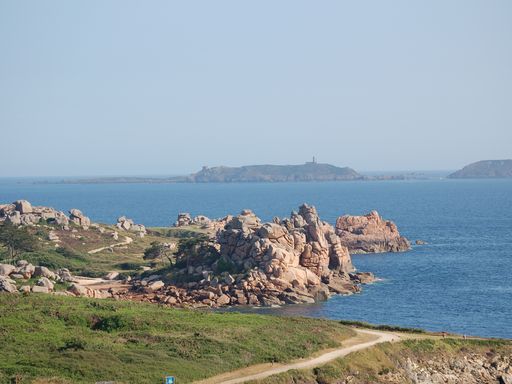
If you visit this spot at low tide, you will be able to see two types of rocks juxtaposed. The gneiss of Trébeurden is the older rock as it goes back more than two billion years. It is recognisable... See
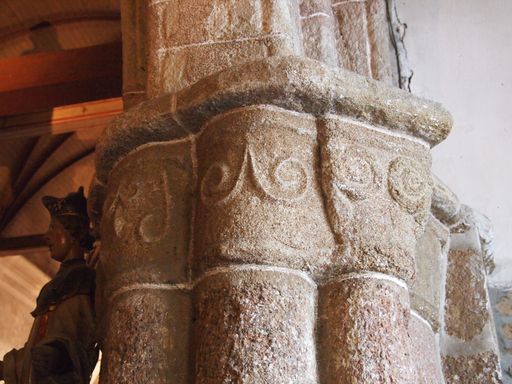

Saint Jacques Church
Perros-Guirec
Construction of Saint Jacques Church began in the eleventh century using granite from the area and further construction followed over the years, resulting in today's patchwork of architectural... See
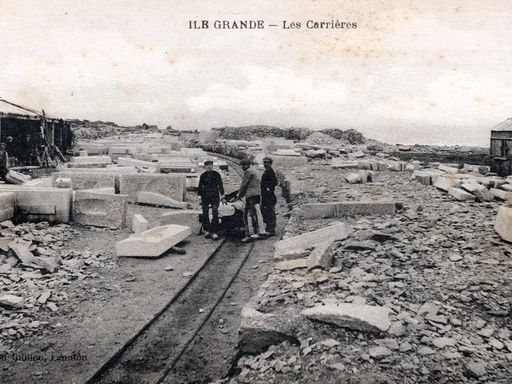
Castel Erek (Île Grande)
Pleumeur-Bodou
In this haven of peace, owned by the Conseil Général (local authorities), you will find the Sept Îles nature reserve building, which houses a permanent exhibition and the bird care centre of the... See